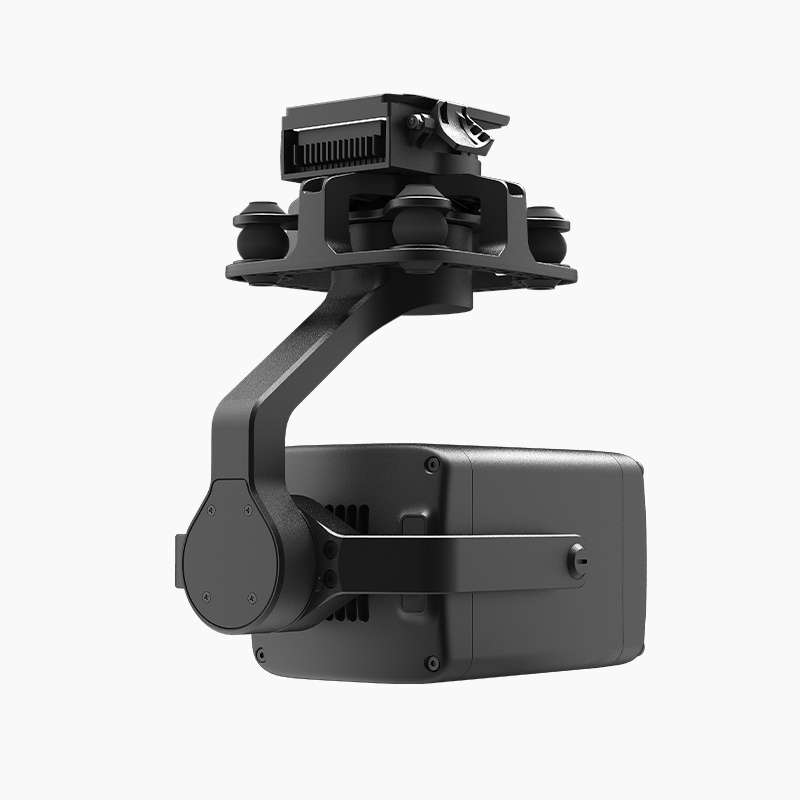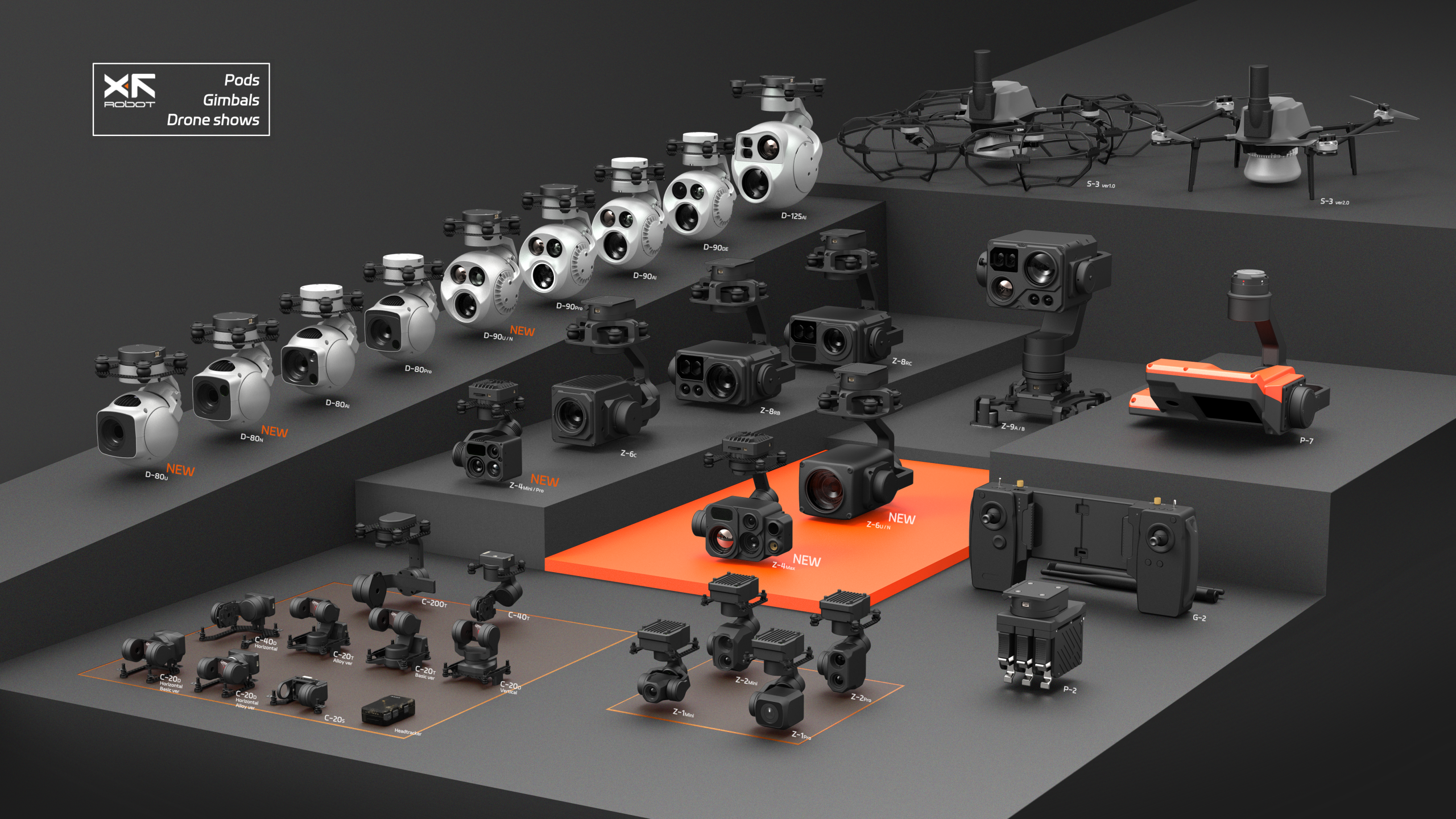
Announcing with this all-encompassing discussion about suspension platforms featuring heat recording for robotic systems.
Support Functions regarding Airborne Unit Video Progress
Pilotless devices are recording remarkable progress in camera equipment. Sophisticated gimbal mechanisms now facilitate incredibly balanced footage, regardless of turbulent weather. Furthermore, the melding of thermal cameras offers unmatched opportunities for observation in fields like search-and-rescue, presenting valuable facts beyond what visible light cameras can record. These connected technologies are significantly modifying the territory of aerial photography.
Focusing into the Evening: UAV Equipment with Starlight & Support Tech
The evolving landscape of unmanned aerial crafts is being modified by advancements in camera qualities. Precisely, the combination of night vision configurations and sophisticated gimbal suspension allows for unprecedented detail during nighttime deployments. These effective cameras, often utilizing infrared technology, can transcend darkness, providing crucial metrics for defense purposes. Concurrently, the gimbal methodology steadily minimizes wobble, resulting in markedly even footage even in adverse conditions. Criteria like detail and rate are continually essential for best productivity.
- Augmented Tactical Perception
- Higher Range of Service
- Meticulous Records Assembly
Remote-Controlled Device Camera Assessment: Balanced, Heat Vision, Long-Range & Shadow Sight
Selecting the suitable aircraft camera is a complex evaluation. Review the diverse categories available: fixed systems afford smooth, refined footage; heat cameras excel in faint conditions by spotting heat emissions; adjustable lenses grant you to increase distant objects; and twilight vision functions utilize specialized platforms to get imagery in limited light. The favored fusion is determined by the proposed function.
The Imminent of Aerial Tracking Applications: Integrating Thermographic & Low-Light Sensing
Historically, Robotic equipment focused on normal light photography. Conversely, advanced demands in areas including emergency response & uav gimbal inspection entail greater input data. Incorporating temperature-detecting units alongside dark imaging capacities provides controllers a decisive edge, granting them to spot elements obscured from common glow. Such melting drastically improves performance potency across a broad variety of purposes.Stabilization Balance Blends with Thermal Vision: A New Era for UAV Imaging
The cutting-edge moment in pilotless recording come, driven with that integration connecting advanced steadiness solutions plus fine thermal imaging. Such collaboration grants personnel allowing them to capture sharper thermal imagery using flying devices, although harsh surrounding conditions, unlocking new possibilities throughout multiple sectors including surveillance, retrieval combined with precision planting.
Flying System Camera Close-Up Capabilities: Adjusting Scope & Gloom Sight
Advancements in Remote-Controlled Aircraft technology are constantly developing camera focus adjustment performance, but a key challenge involves optimizing extent and gloom sight. Extending an focus adjustment to obtain faraway objects often diminishes illumination sensitivity, making clear dusk detection tricky. Creators are pursuing cutting-edge remedies, incorporating advanced magnification layouts and digital enhancements, to diminish noted drawback and deliver refined imagery at broad reaches, even under poor shine situations.
Picking specific Suitable UAV Device: Gimbal, Infrared-Based, & Variable Focus Factors
Once determining a UAV photography instrument, various major points need to be judged. This stable steadying mechanism is crucial for flawless flight-based movie , chiefly in windy circumstances. Infrared modules offer significant perspective for tasks like search and relief responses. Finally, focal adjustment features grant closer observations of elements, while enhanced optical range frequently comes diminished display resolution and compels enhanced brightness.
{Night Vision UAV Cameras: Boosted Security with Balancing Reinforcement
Contemporary autonomous drones are revolutionizing security missions with the use of night vision systems. Essentially, mounting system supplies exceptional reliability for the video unit, facilitating clear captures even in turbulent conditions or during flying. This property materially improves security functionality and furnishes a critical benefit for agencies and diverse bodies requiring sound nighttime imaging.
Cutting-edge Unmanned Observation Setups: Fusing Telephoto Heat-Sensing & Night Imaging
Modern aerial platforms are steadily equipped with state-of-the-art camera assemblies that outshine basic recording. These advanced solutions customarily adopt a integration of robust technologies, consisting of variable focus capabilities for thorough inspection, thermographic imaging to uncover radiant signs, and low-light vision tools to facilitate operation in limited environments. This integration provides operators with a significant plus in wide-ranging realms, from emergency services to maintenance checks and defense surveillance.