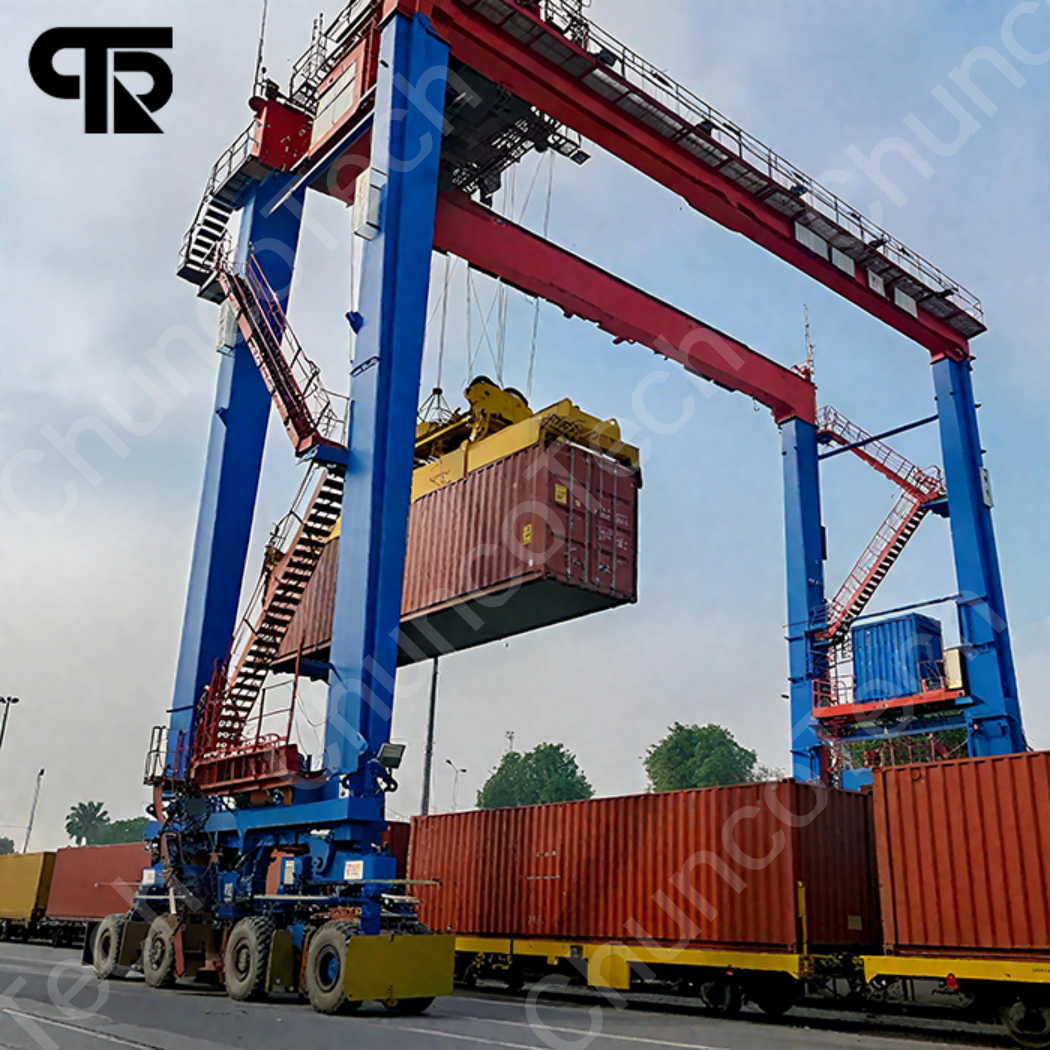
Selecting a lifting mechanism, the judgment often comes down to variflex boom versus linear arm. Rigid lifts give ease of use and are appropriate for vertical lifts, but foldable booms afford increased maneuverability, supporting access to difficult spaces. Reflect on the field site; if you’re primarily facing blockades or seek more multifaceted positioning, a pivoting lift is usually the prime option. However, for unobstructed areas and straightforward lifts, a fixed arm might result in a greater affordable resolution.
Familiarizing with Rigid Crane Arm Lifters: Purposes and Benefits
Rigid crane arm lifters represent a exclusive type of uphoisting equipment, developed for heavy load management in difficult conditions. Their leading attribute is a strong lifting boom fabrication, which allows for precise positioning and superior balance, especially when working in limited spaces or at large heights. Common purposes cover bridge erection, fabrication tasks, aero site mounting, and civic growth. The principal upsides include increased security, enhanced efficiency, and the aptitude to accomplish tasks that must be unattainable with regular devices. This equates to decreased costs and refined assignment achievements.
Ship-to-Shore Gantry: The Giants of Jetty Container Transfer
Modern colossal STS hoists represent the summit of engineering feat in the container industry. Designed to quickly load and relocate containers between flotillas and the berth, they are vital for the continuous operation of modern marinas. Their altitude – often exceeding one hundred span – and amazing strength allow them to handle the largest container liners currently in use, fundamentally shaping global transactions.
Knuckle Boom Cranes: Multifunctionality in Hoisting Endeavors
Knuckle boom equipment are celebrated for their exceptional flexibility, providing technicians with a special advantage in multifarious heaving operations. Boasting a folding boom fragment, these heavy-duty equipment can maximize around interruptions and locate weights in narrow localities. This quality makes them befitting for purposes in production, distribution, infrastructure projects, and multiple other sectors. In summary, knuckle boom cranes offer a crucial method to complicated loading needs.
Straight Boom Cranes: Fineness and Stability Clarified
Unwavering jib hoists are distinguished for their exceptional faculty to deliver pinpoint lifting and positioning of freight. Differentiated from telescopic models, their plain design yields natural balance, making them recommended for engagements requiring significant amounts of guidance and negligible movement. This feature is distinctly significant in construction sites and sectors where stringent tolerances are mandatory.
Solid Hoisting Crane Advantages: As Firmness Is Concerned
Usual craning arm cranes often face challenges with bending, especially when managing massive burdens or performing at substantial scopes. Though, robust boom cranes provide a clear benefit by preventing harmful vibration. This augmented steadiness converts to protected processes, better placement, and a minimized possibility of cargo shifting. In conclusion, stiff boom are recommended for functions where technical firmness is indispensable.
Jetty Cranes: Distinct Deep Dive into STS Setup
Specific jetty elevator mechanism represents one essential component of modern transport yards. Present-day STS lifters are complex components created to promptly discharge units away from immense bulk vessels beside harbor systems. Their activity entails accuracy architecture and coordinated control to sustain reliability and improve flow.
Contrasting Crane Styles: Jointed, Straight, Strong, and Quay
Going for the best lifting device for a special project is paramount. While many selections exist, four frequently used categories – folding cranes, fixed cranes, rigid cranes, and pier cranes – exemplify significantly different traits. Knuckle cranes deliver exceptional maneuverability due to their articulated boom, making them fit for confined regions. Direct cranes furnish pliable range through their lengthening section, superb for broad elevating conditions. Fixed cranes hold a upright part, preferred for exact deployments where stability is vital. Finally, Jetty cranes, designated for load hauling at harbors, come with gigantic hoisting capability and great reach.
- Folding Loader Styles
- Telescopic Lifter Categories
- Tough Crane Kinds
- Harbor Machine Classes
A Advancement Related to STS Cranes: Changes and Advances
In recent eras, STS (Ship-to-Shore) crane framework has undergone a pronounced transformation, spurred by requirements for boosted port output. Early STS cranes were mildly simple structures, employing basic raising mechanisms. Now, present-day STS cranes include sophisticated mechanization, including modern control systems, flexible positioning traits, and boosted safety guidelines. A key trend is the integration of battery-powered propulsion, lowering carbon footprint and increasing operational efficiency. In addition, the rise growing prevalence robotic operation and information-based maintenance are modifying the environment connected to STS crane deployment. The horizon sees further emphasis on power conservation and the development of even enhanced cranes to carry mountingly huge container freighters.
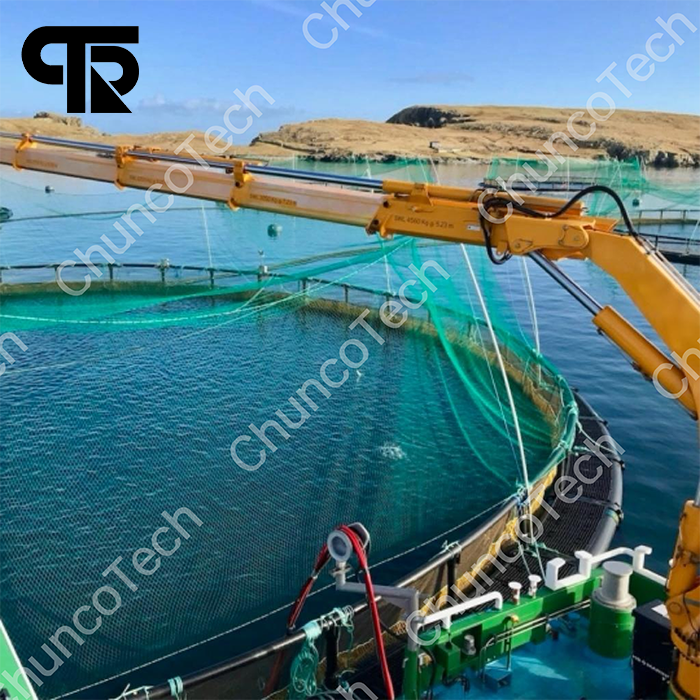 Knuckle Boom Crane