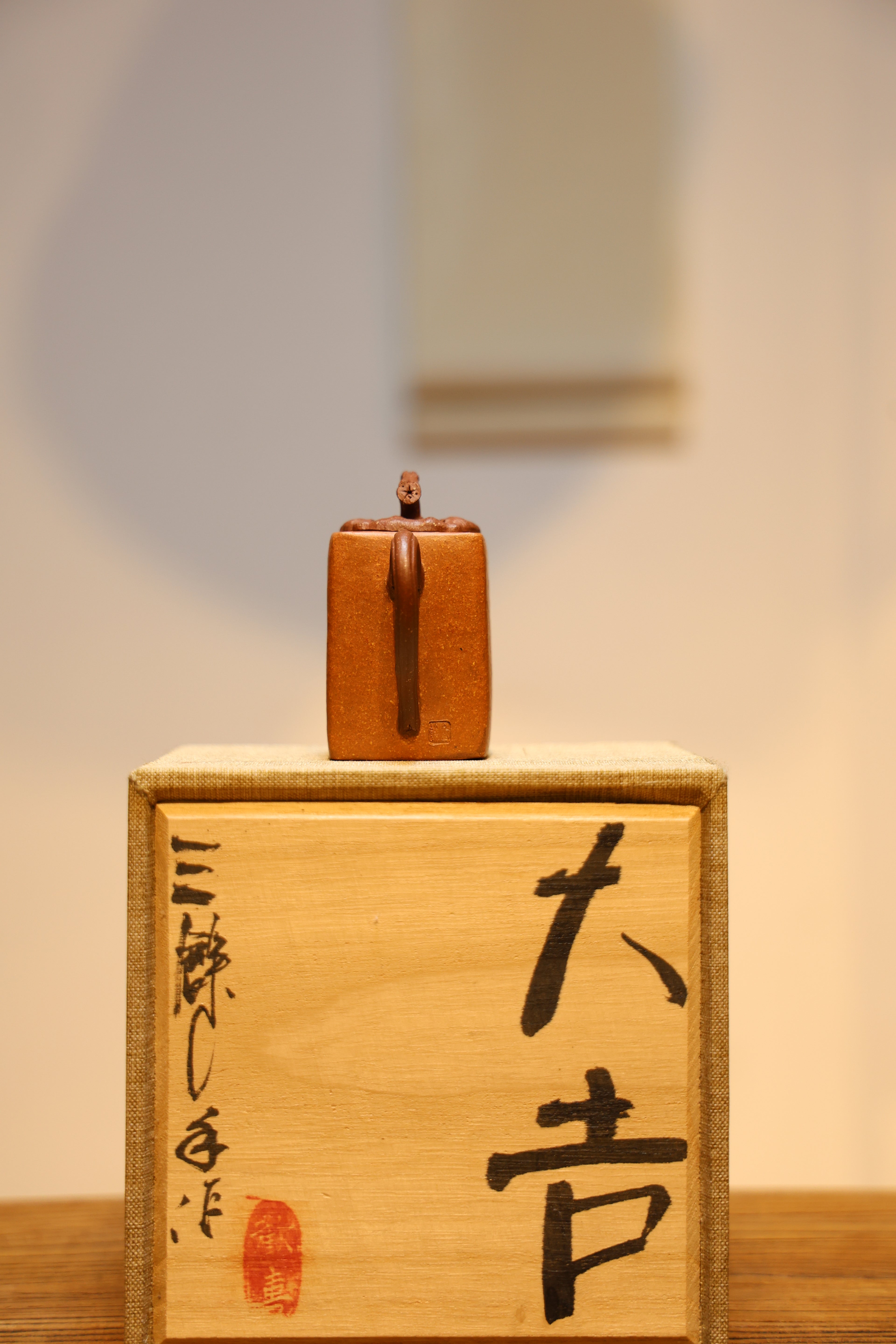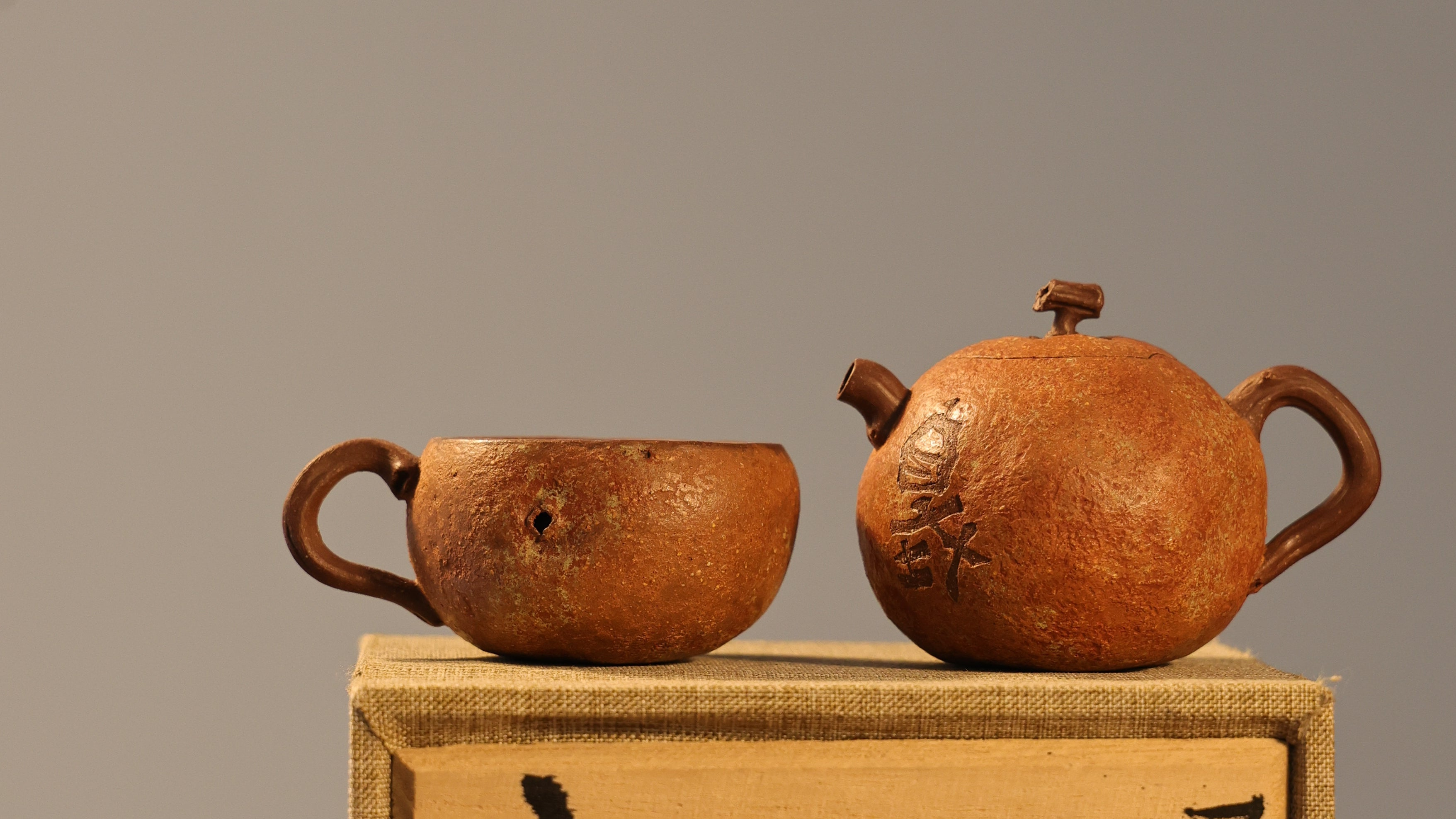
Epochs of connoisseurs have sought the special appeal of Yixing Zisha pots. Rooted in the tranquil town of Yixing, the country, these teapots are created from a singular and recovered purple clay recognized for its superior thermal attributes and capacity to enhance the note of liquids. More than their useful value, Zisha teapots illustrate a vast heritage tradition, designating them notably collectible and a genuine wonder for any ardent teapot fan.
Exploring Yixing Kettles
Authentic teapots represent a memorable amalgamation of history and craftsman craftsmanship. Founded in Yixing, Jiangsu Zone of China, their narrative traces to the Ming Dynasty, although clues suggest earlier versions. The unique plum clay, called Zisha, found only in the Yixing region, is the paramount component, contributing to the pots' unmatched heat maintenance and the manner they shape the aroma of tea. Sequences of potters have enhanced techniques—often bequeathed through families—including molding the clay, applying detailed embellishments, and firing the pots at regulated temperatures.- Traditionally, Yixing teapots were often furnished with simple designs.
- Subsequently, more detailed carvings and pictorial motifs became accepted.
- The firing process itself is a key element, requiring prolonged intervals of knowledge.
Acquiring Zisha Teapots: Necessary Considerations
Launching a mission to gather Zisha containers can be rewarding, but it’s vital to discern what to look for. Authenticity is essential; focus on the potter’s natural tint, a faint reddish-brown is common. Examine the quality; genuine Zisha has a remarkable tactile sensation, often portrayed as slightly grainy. The morphology should be pleasing and consistent with time-honored styles, while seals, if present, require careful examination for validity. Don’t resist to consult with qualified consultants or established contacts – their wisdom is essential.
Chinese Clay Pots: Investigating the Practice of famous Ceramics
Ages have seen Yixing Zisha Clay teapots retain a distinguished role in Chinese custom. These beautifully crafted pots, sourced primarily from the locality of Yixing, are well-known for their singular cast, nature, and their ability to enrich the profile of liquids. Many collectors seek antique Yixing teapots, valuing them greatly not only for their aesthetic appeal, but also for the past they symbolize.
Yixing Zisha Teapots: An Finest Varieties and Their Features
Yixing Zisha teapots, originating from the Yixing area of Yixing, China, are celebrated for their remarkable clay and first-rate brewing features. Throughout the numerous Zisha types, those kinds that are highly valued include Baiwei. Binzhou, known for its vivid purple shade and velvety texture, delivers a soft flavor. The Duan Ni type, recognizable by its reddish color and partially grainy feel, is viewed to enhance the fullness. Lastly, Zhuni Zisha boasts an peculiar vermilion tone and can provide a pleasant nuance. Each variety supplies a varied experience, causing them highly desirable towards infusion enthusiasts.
Brewing Perfection Your Pottery Pot
To unleash the virtue of your Yixing container, grasping the correct modus operandi is critical. These clay vessels, celebrated for their openness, will continually develop the nature of the tea you make within them. Begin by rinsing the pitcher thoroughly with clean water. Then, use only select full leaf tea, as lower quality options can ruin the item’s delicate aroma. Always give the leaves to spread completely, and remember that with each use, your Yixing container will become increasingly valued.
Maintaining Your Exceptional Zisha Heirloom
Proper support for your Zisha vessel is imperative to extending its value and worth. Zisha clay, acclaimed for its unique tone and makeup, requires delicate handling. Never use stringent detergents, as these can damage Yixing Teapot the glaze. After every action, rinse the pot with room temperature water and allow it to dehydrate completely.
- Sidestep soaking the kettle for extended stretches.
- Occasionally use a soft fabric to maintain the exterior.
- Think about applying a thin layer of food-grade fat inside the jar after drying, which can reduce staining.
Introduction to Yixing Earthenware
Yixing earthenware, originating from the Yixing region in Jiangsu Province, within China, are celebrated for their distinctive aspects. Crafted from the unique purple soil known as Zisha, these jars are prized by liquid enthusiasts worldwide. This guide will gently explain the essentials – covering categories of Zisha matrix, common shapes, and crucial care notes. Understanding the roots of Yixing teapots can improve your appreciation for this esteemed example of Far Eastern folklore.
Trade of Chinese Clay Pots: Concentrating on Zisha found in this city of Yixing
Zisha compound from the Yixing territory represents the pinnacle of Yuan vessel design, possessing a singular amalgamation of unprocessed beauty and effective artistry. These distinguished pieces are esteemed for their dynamic pigments, often encompassing profound purples and orange hues to faint greys and muted beiges. The salient mineral composition of the typical Zisha clay imparts a noteworthy texture and renders a gratifying aroma that amplifies the full potion experience, contributing to them significantly cherished collectibles and necessary components of any serious ceremony.