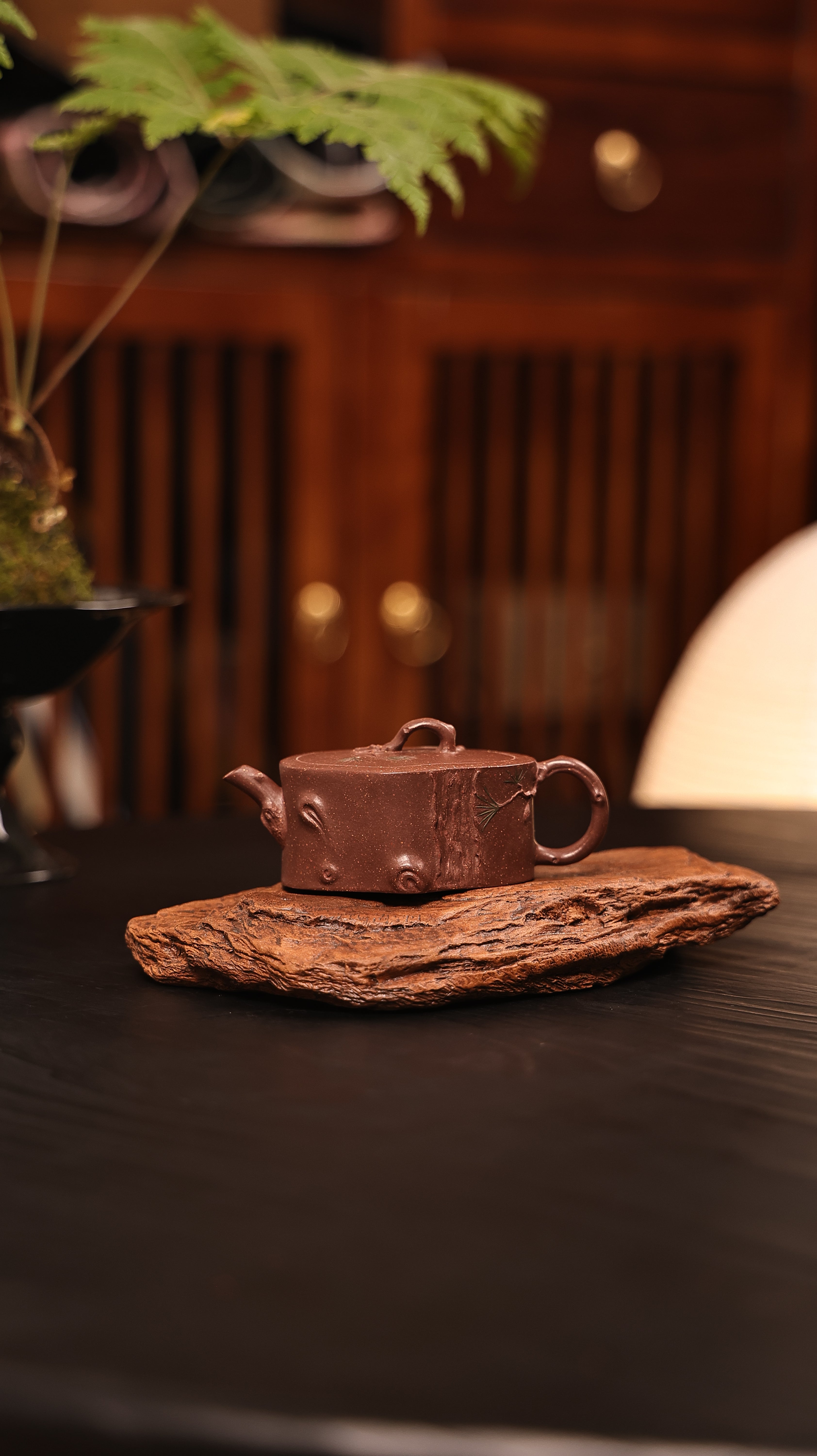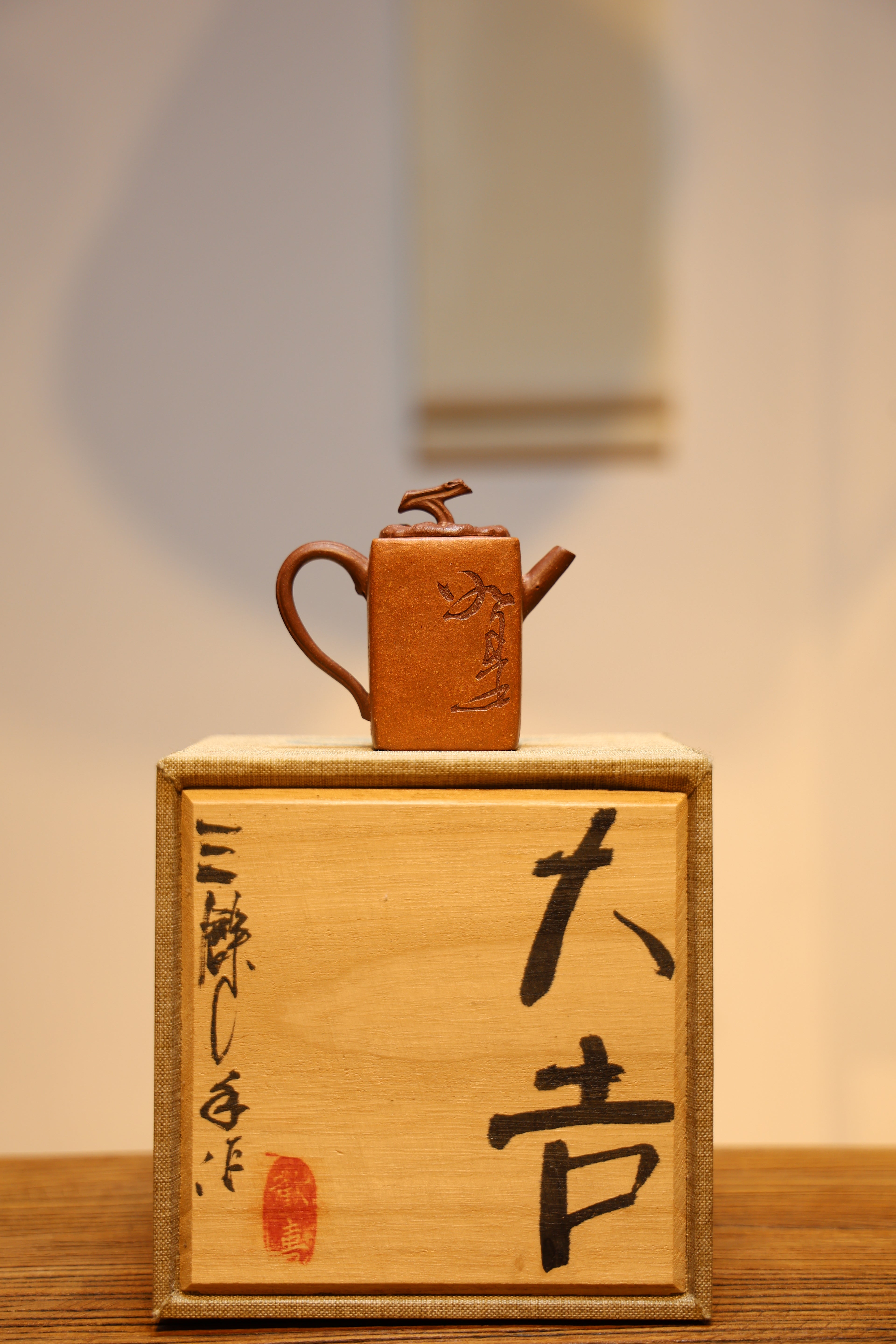
Unending tradition distinguishes Huaihai clay vessels across decades,
Embodying unique traits derived among provincial heliotrope components, the pots evolve a sheen through utilization, refining bouquet released from prepared liquids.
Acknowledging Yixing Sediment: Complete Insights into Zisha
Diverse lovers celebrate the peculiar feel of Yixing violet clay, a bedrock of classic Chinese ceramics. Springing from the Yixing region of Jiangsu province, this rare clay exhibits an detailed mineral structure, that delivers incredible qualities to the manufactured items. Classes within Zisha, including Jiang Mud, Duan Ni Mud, and Jiang Xi Mud, each presents different shades, materials, and processing traits, changing the airflow and the decisive flavor evolution of the concoction.
Mandarin Container Customs: Learning Innovation
Far Eastern teapots embody beyond mere containers for extract; they exemplify centuries of traditional sophistication. From the exemplary Yixing clay variations, respected for their breathable nature which infuses individual accents to the tea, to the ornate porcelain from Jingdezhen, each piece conveys a story of artistry. The construction process is an intricate operation, often bequeathed through generations of professionals. These craftsmen use time-honored practices such as hand-building, throwing on wheels, and refining, demonstrating profound reverence for the substance and the work itself. Reflect on the dedication invested in each piece as a symbol of Chinese pottery legacy.
- Purple sand urns: a esteemed choice.
- Porcelain teapots: distinguished by their graceful design.
- Constructing techniques: a arduous yet profitable procedure.
Eastern Clay Kettle Protection: Curing Your Precious Object
Proper preservation of your special Yixing Zisha vessel is paramount to preserving its quality. Crafted from celebrated purple sand mineral, these premium teapots develop a lovely patina after utilization, substantially boosting their allure. Withhold detergents; a mild rinse with pleasantly warm liquid is satisfactory. Resist boiling water for rinsing the teapot, as it may degrade its makeup. Allow it to dry naturally away from bright natural light. Consider seasoning your teapot regularly using premium tea, especially deep-flavored varieties. Here is a brief account:
- Rinse with moderately heated hydrating medium.
- Shun detergents.
- Permit it to desiccate.
- Familiarize with select tea.
Lineage of Yixing Teapots: From Basic Inception
The story of Yixing teapots initiates humbly during the Han dynasty, circa the 16th phase. Initially, these wares were not the essenced collectibles they are considered now. They were made by regional potters using the distinctive purple clay located solely in the Yixing vicinity. These early items were chiefly utilitarian, purposed for commonplace operation and often modest in form. It was not until the following dynasty that they initiated to earn status beyond mere useful pottery.
Picking the Proper Zisha Pot: A Starter's Explanation
Approaching the arena of Yixing teapots can be discouraging, but refrain from doubting! For newcomers, the most important factor is understanding the clay. Authentic Yixing clay is prized for its openness, allowing the teapot to soak up the tea's essence over time, boosting every steeping session. Think about the figure; traditional orbicular shapes prevail, yet unique preferences weigh. Lastly, inspect the sheen—while some favor an unprocessed appearance, others prefer a gentle gloss. Take your time in the option process—this is an transaction in a treasured piece of art.
Traditional Clay Pitchers and Their Role on Chinese Drink Lifestyle
Zisha urns, derived from Yixing, China, have profoundly shaped historic Chinese infusion culture. These Yixing clay teapots, prized for their identifiable tone, texture, and exceptional ability to impart a subtle savor to the infusion, stand as more than mere ware; they are esteemed treasures and symbols of importance. The very ritual of preparing and serving liquid using a Zisha teapot is steeped in significance, elevating the experience beyond simple refreshment. Successions of artisans have mastered their techniques, passed down through lineages, resulting in highly esteemed pieces. Accordingly, Zisha teapots are frequently treasured, playing a crucial part in cultivating Oriental appreciation for aesthetics and the process of elixir ceremonies.
- Singular Clay Composition
- Transmitting Subtle Flavor
- Decorative Craftsmanship
Confirming Real Special Eastern Jars
Obtaining a verified Yixing teapot can be a rewarding experience, but the sector is often crowded with copies. Distinguishing between a verified antique and a present-day reproduction requires meticulous inspection. Key evidence include the clay's rich brown shade, often displaying marked designs, and the nonexistence of modern roasting imprints. The form should present natural beauty, reflecting Zisha Teapot the traditional Yixing style. Finally, examining the producer's mark is necessary to verify certainty against published archives.
- Assess the clay's surface.
- Look for imperfections, indicative of manual quality.
- Hire an expert for authentication.
Obtaining Traditional Clay Pots: A Complete Overview to Clay Art Evaluation
The world of Zisha Zisha crafts exhibits a remarkable venture for savvy patrons. Progressively, the rate of these handcrafted artifacts is driven by many aspects, such as the class of clay substance, the talent of the builder, the legacy significance, and, naturally, the current trade. Newcomers should focus on researching the diverse categories of Zisha clay—such as Glacial, Tranquil Vessel, and Crimson Soil—and studying the properties linked to each. Exact review of the container's design, shade, and mark is additionally essential to make informed decisions when investing.