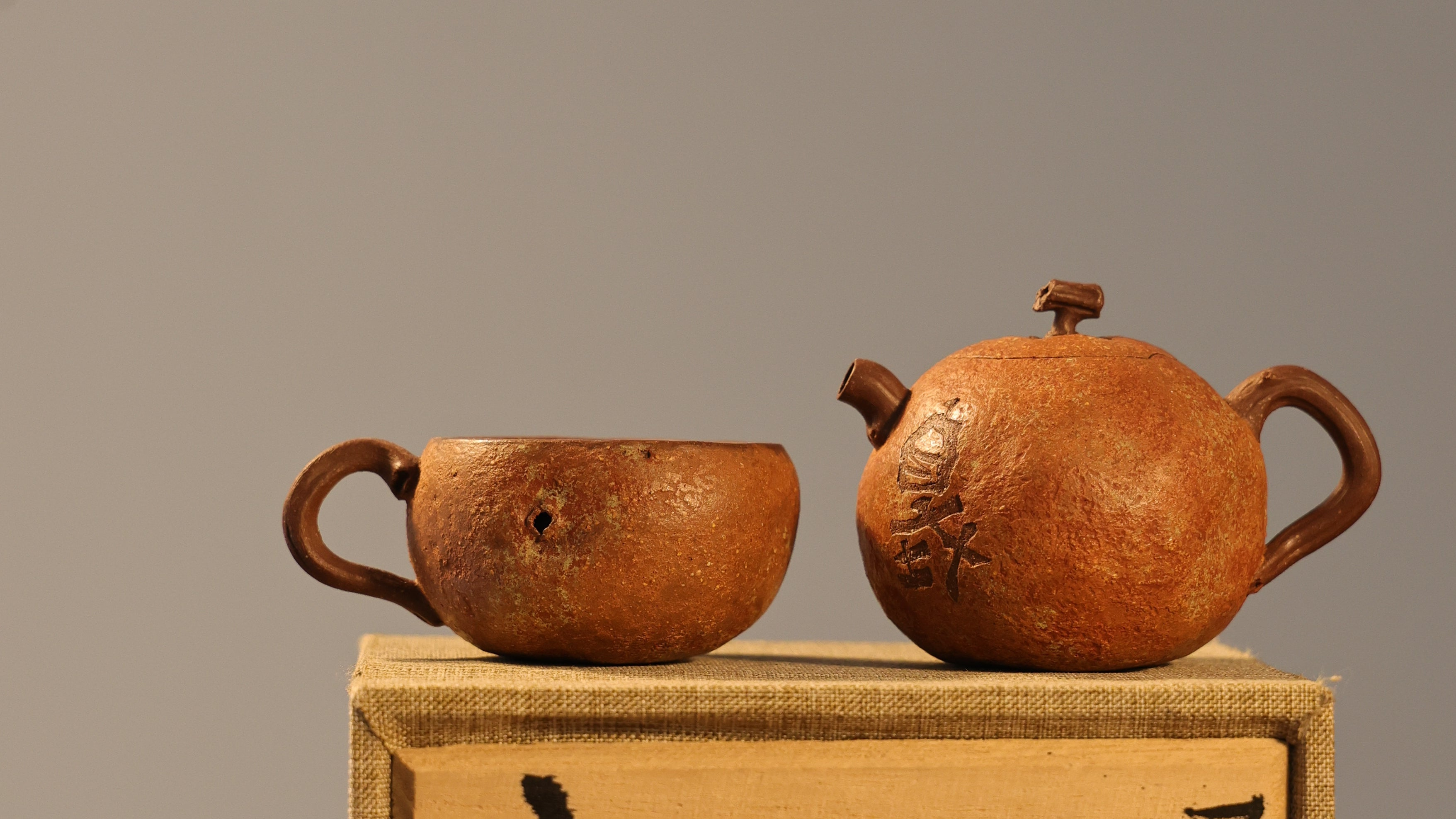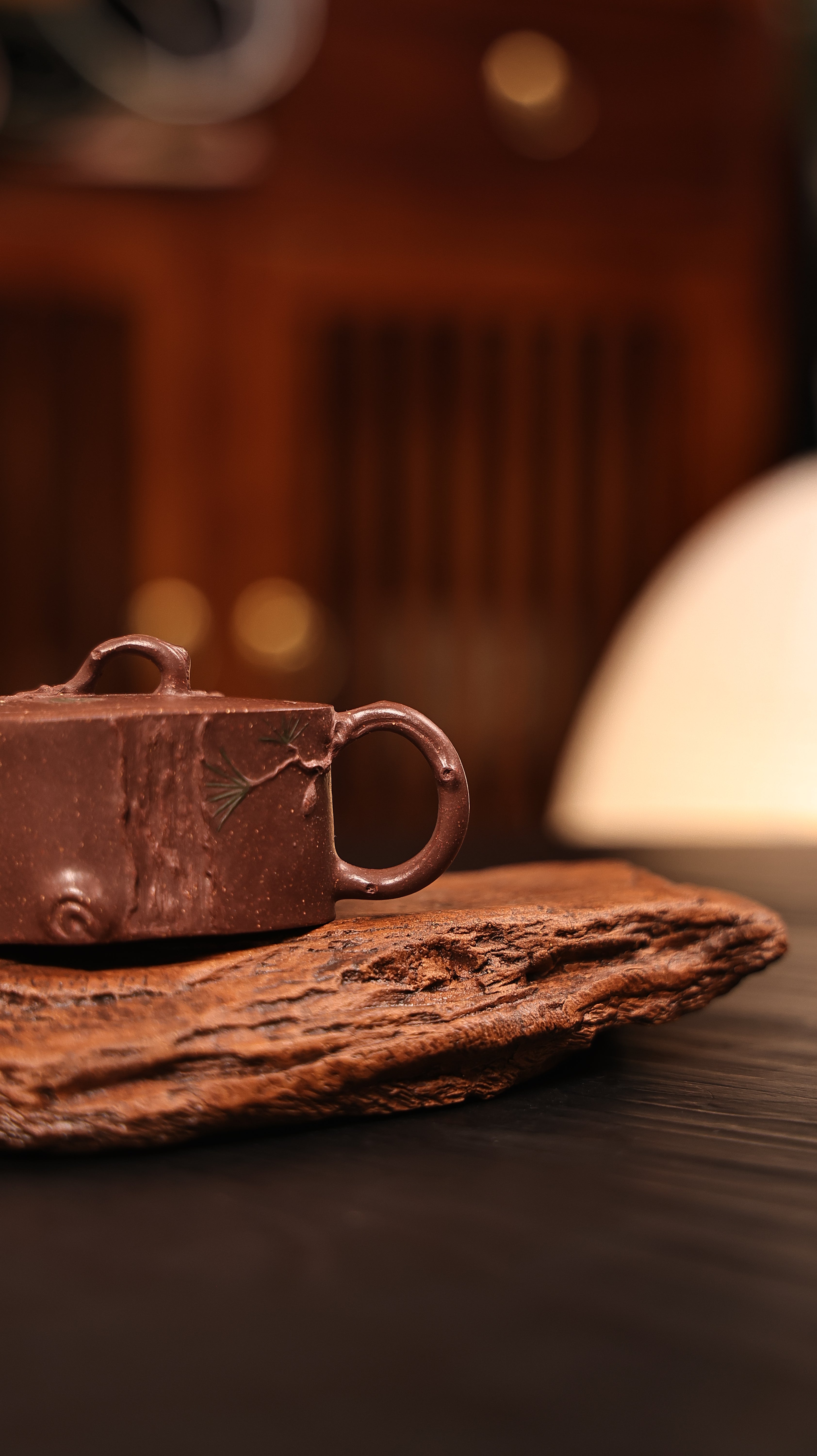
Periods in enthusiasts have long yearned the special attraction of Yixing Zisha kettles. Hailing in the quaint town of Yixing, the territory, these urns are constructed from a scarce and dug purple clay recognized for its superior thermal features and capability to boost the taste of tea. Other than their valuable appeal, Zisha teapots exemplify a vast historical tradition, rendering them considerably esteemed and a true marvel for any ardent teapot fan.
Delving into Yixing Teapots
Classic teapots demonstrate a unusual fusion of history and seasoned craftsmanship. Hailing in Yixing, Jiangsu District of China, their narrative traces to the Ming Dynasty, although clues suggest earlier expressions. The special burgundy clay, called Zisha, found particularly in the Yixing region, is the crucial component, contributing to the pots' superior heat keeping and the manner they alter the taste of tea. Epochs of potters have honed techniques—often passed down through families—including molding the clay, applying intricate embellishments, and firing the pots at consistent temperatures.- Originally, Yixing teapots were often ornamented with simple designs.
- Thereafter, more intricate carvings and iconographic motifs became favored.
- The baking itself is a indispensable element, requiring long durations of mastery.
Collecting Zisha Teapots: Vital Considerations
Launching a quest to obtain Zisha jars can be pleasurable, but it’s fundamental to grasp what to inspect. Authenticity is vital; focus on the soil’s natural tone, a muted reddish-brown is typical. Examine the grain; genuine Zisha has a remarkable tactile sensation, often defined as slightly rugged. The form should be well-proportioned and consistent with historical styles, while seals, if present, require thorough examination for legitimacy. Don’t postpone to consult with knowledgeable enthusiasts or credible sources – their expertise is irreplaceable.
Renowned Vessels: Examining the Practice of renowned Zisha
Years have seen Yixing Yixing Clay teapots keep a exceptional role in Chinese tradition. These carefully constructed pots, sourced exclusively from the region of Yixing, are renowned for their recognizable tint, quality, and their ability to enrich the profile of liquids. Numerous collectors desire antique Yixing teapots, regarding Yixing Zisha Teapot them deeply not only for their aesthetic loveliness, but also for the records they express.
Yixing Zisha Teapots: This Premier Categories and Their Qualities
Purple Earthenware teapots, established in the renowned district of Yixing, the country, are esteemed for their singular clay and excellent brewing functions. Amongst the many Zisha types, the varieties that are highly treasured include Baiwei. Binzhou, known for its vivid purple shade and velvety texture, delivers a soft flavor. Duan Ni subclass, recognizable by its rusty color and slightly grainy feel, is believed to enhance a richness. Lastly, Zhuni faction boasts an infrequent crimson tone and can offer a agreeable nuance. Each class presents a distinct experience, facilitating them notably desirable with beverage enthusiasts.
Perfecting Unique Earthenware Kettle
To tap into the capability of your Yixing vessel, knowing the correct means is critical. These clay containers, celebrated for their openness, will continually develop the essence of the tea you cook within them. Begin by cleaning the jar thoroughly with boiling water. Then, use only premium raw leaf tea, as lower quality options can affect the clay’s delicate qualities. Always permit the leaves to expand completely, and remember that with each steeping, your Yixing kettle will become continuously cherished.
Securing Your Priceless Zisha Treasure
Proper treatment for your Zisha teapot is crucial to maintaining its durability and worth. Zisha clay, acclaimed for its unique coloration and makeup, requires delicate handling. Never use stringent soaps, as these can ruin the surface. After every application, rinse the jar with mild water and allow it to dehumidify completely.
- Do not soaking the pitcher for extended periods.
- Intermittently use a soft wiping cloth to polish the exterior.
- Evaluate applying a thin layer of food-grade vegetable oil inside the container after drying, which can limit staining.
Overview of Yixing Teapots
Yixing brew vessels, originating from the Yixing district in Jiangsu Province, China, are celebrated for their distinctive features. Constructed from the unique purple compound known as Zisha, these containers are prized by brew enthusiasts worldwide. This digest will briefly explain the principles – covering forms of Zisha composite, popular shapes, and vital care suggestions. Understanding the foundation of Yixing vessels can strengthen your appreciation for this acclaimed example of Mandarin heritage.
Skill of Mandarin Containers: Showcasing Zisha from the Yixing region
Zisha earth from the Yixing district represents the apex of Oriental pitcher design, demonstrating a unique combination of earthy beauty and useful artistry. These exceptional pieces are celebrated for their intense tones, often varying from robust purples and chestnut hues to pale greys and faint beiges. The noted mineral composition of the exclusive Zisha bedrock imparts a distinctive texture and furnishes a pleasant aroma that increases the whole drink experience, resulting in them greatly coveted collectibles and critical components of any serious brew.