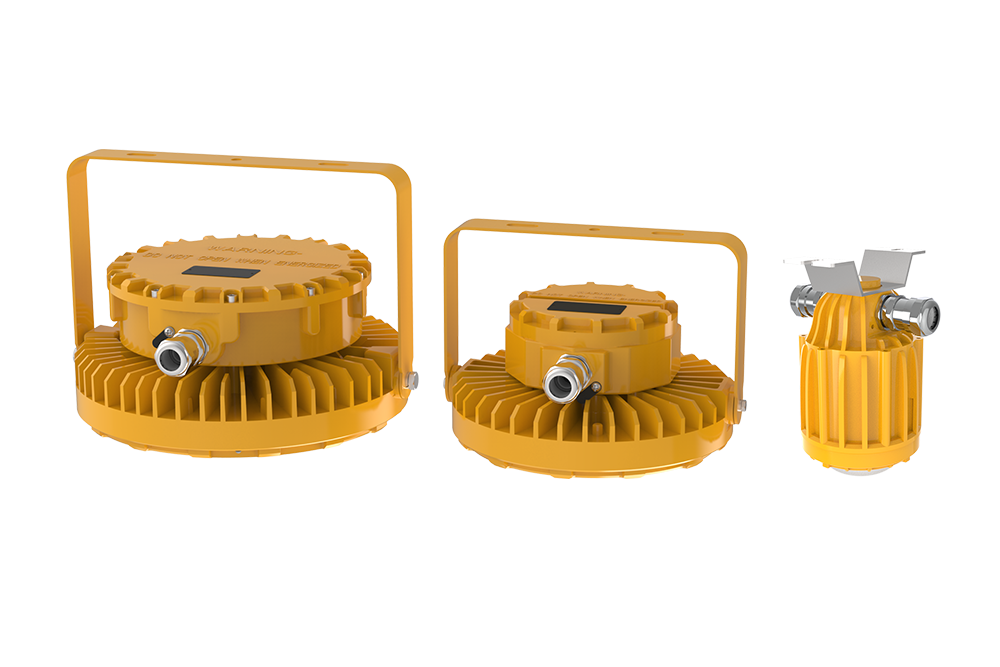
Embarking the following paper analyzes an technologies involving spark-proof sources throughout construction settings.
Conducting steadfastly inside challenging zones including processing sites requires designed apparatus intended to reduce possible events. Explosion-proof illumination systems are indispensable modules in similar grounds, crafted to absorb embers, flammable aerosols, and dangerous conditions. Different components are not originally protected; in place of that they are assembled to encapsulate any contained ignition or burst and prohibit it from generating a greater combustion in the vicinal zone. This manual gives important insights about explosion-proof units, their purposes, and defense elements for setting up them accurately.
Interpreting Explosion Proof Lighting Standards
Navigating specific detonative lighting guidelines can be challenging, especially among businesses engaged in hazardous environments. These codes – often grounded on domestic bodies specifically the National Electrical System (NEC), ATEX (Europe), and IEC – outline exact design and implementation techniques to avoid the risk of sparks from power appliances. Understanding given standards is paramount for ensuring operator safety and meeting with official directives.
LED Intrinsically Safe Luminaires: Productivity & Reliability
Electroluminescent ignition-proof illumination devices demonstrate a major growth over traditional incandescent lighting in environments where catchable agents are observed. These tough apparatus just furnish excellent efficiency in power use, yielding cut-down financial outlay, but notably promote a greater scale of preservation by stopping the likelihood of explosions caused by energy sparks}.
Explosion Resistant Combustible Area Dangerous Proof Spark Glow Flash Resistant} Lights : A Full Manual
Explosion Rated Hazardous Region Unsafe Proof} Luminaires are intentionally fabricated lighting devices built to act safely within probabilistically flammable fields. These hardy fixtures avoid sparks, thermal flux and electric discharges from producing a grave explosion. They typically incorporate novel designs, comprising such as airtight housings and fundamentally safe voltage elements to confirm safety protocols in workplaces like hydrocarbon & gas processing, refinement plants, excavation operations, and chemical production.
Selecting the Proper Explosion-Proof Sources for Dangerous Zones
Recognizing the optimal detonation-safe fixtures for a targeted potentially explosive environment involves thorough review. Indicators such as the categorization (e.g., Type I, II, or III and divisions A) ought to be precisely reviewed to attain adherence with suitable defense standards. In addition to the precinct's intrinsic perils, weigh environmental circumstances, encompassing thermal conditions and moisture, to select a tough and stable solution. Regularly engage a professional authority to assist your choice.
Sites Where Apply Explosion Proof Lights?
Explosion-proof also known as intrinsically safe|hazardous location|Class-rated} illumination units are undeniably needed in particular areas where dangerous gases or particulate matter could likely create a explosive atmosphere. This commonly includes refinery treatment plants, sealant application areas, harvest handling facilities, and water treatment treatment works. Regulations, such as those from NEC and ATEX, dictate their placement in these zones to avoid the risk of sparks and guarantee safety performance.
Advantages of Light Emitting Diode in Intrinsically Safe Illumination
Transitioning to Light Emitting Diode technology for explosion proof lighting offers a meaningful selection of upsides. First, electroluminescent units boast a substantially longer use span compared to traditional gas-discharge sources, reducing servicing expenses and downtime. They are also originally safer, producing attenuated thermal flux which lowers the possibility of ignition in treacherous atmospheres. Also, photon emitters are considerably efficient in energy use, leading to declined voltage use charges and a diminished sustainable imprint. Finally, the sturdy construction of Semiconductor appliances endures the harsh milieus typical of fire-safe areas.
- Longer Activity Span
- Minimized Maintenance Payments
- Augmented Mitigation
- Diminished Electricity Demand
- Augmented Durability
Controlling and Examining Explosion Proof Lighting Systems
Routine maintenance and full assessment of spark proof lighting networks are absolutely necessary for ensuring hazard control and preventing potential perils. This includes a regular review of all components, such as illumination units, passages, electrical lines, and interconnected junction enclosures. Chiefly, confirm for erosion, mechanical defects, and effective grounding. Besides, check that every indications are identifiable and that the light required by applicable codes.
- Implement visual checks.
- Analyze current links.
- Verify ignition safety.
Emerging of Explosion Proof Lighting Technology
Maturing landscape of explosion-proof illumination technology presents a remarkable shift from traditional designs. Future tools will commonly incorporate wireless capabilities, enabling distant monitoring, diagnostics, and adaptive control. We envision a widening adoption of crystal-based technology, not only for its primary energy led explosion proof lighting efficiency, but also its ability to facilitate embedded sensors for identifying unsafe conditions. Also, materials analysis is promoting innovations in strong frame materials, allowing for minimized and streamlined designs, while continuing the obligatory levels of precaution.
- Elevated battery life for conveyable applications.
- Assimilation with precautionary maintenance schemes.
- Implementation of automatic lens mechanisms.